There comes a point when a garden bench stops looking like furniture and starts looking like part of the garden. Nothing structural changes — the same slats, the same legs in the same spot — but the bench begins to feel like somewhere you would actually sit, rather than something you walk past on the way to the shed.
Styling with nature-inspired decor is mostly about borrowing: colours from the border, textures from the hedgerow, and a few practical additions that make the seat comfortable enough to stay on for an hour.
Start With the Bench Itself
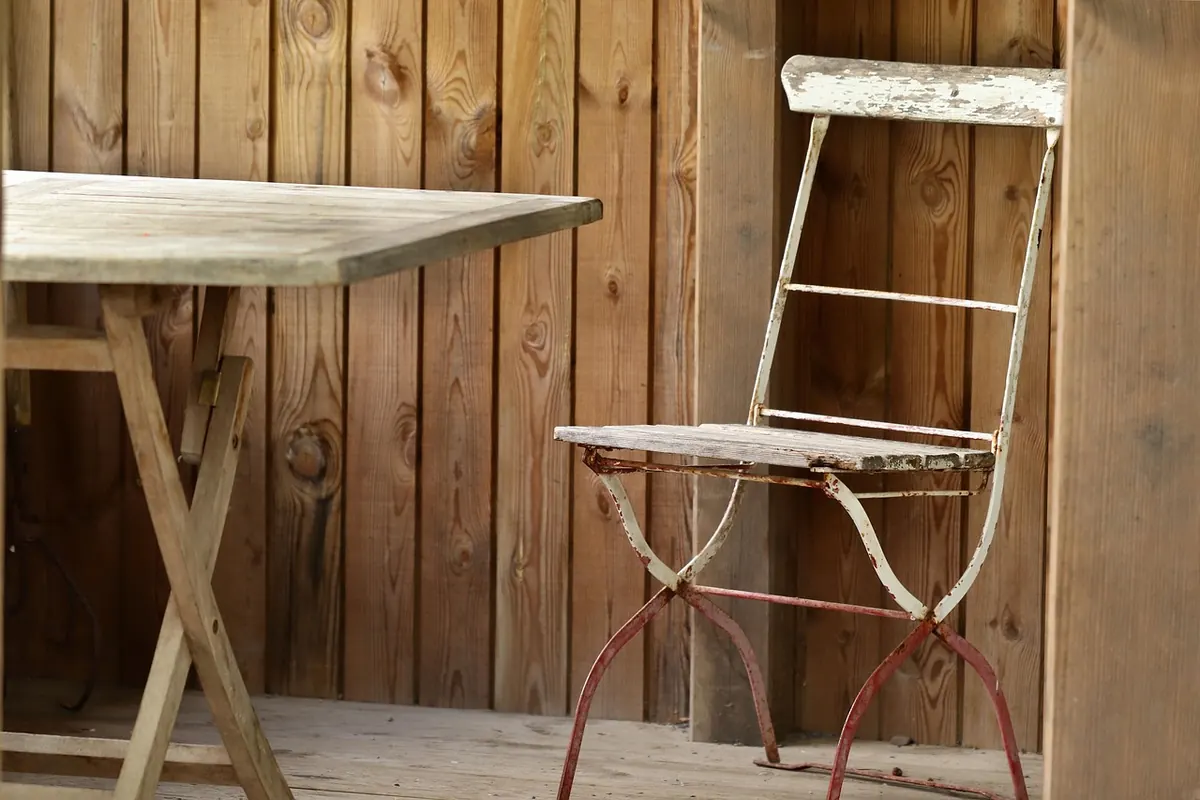
Before adding anything, look at what you already have. A weathered oak or teak bench has a soft grey patina that suits loose, informal planting. A painted bench in a strong colour wants restraint around it — one or two plain cushions, a single large pot, nothing fussy competing with the paint.
Give the timber a brush-down with a stiff brush and a wash with warm soapy water at the start of the season. If it is bare wood, a coat of suitable oil keeps it supple. Then think about orientation: a bench against a wall or fence can be styled from one side, with climbers trained behind it and pots along the base. A bench standing alone on grass or gravel needs to look good from every angle, which usually means fewer objects and larger ones.
Cushions and Textiles That Sit Lightly
A seat pad plus two back cushions is the classic combination, and it works because it softens the hard lines of the wood without hiding them. Choose outdoor fabrics — solution-dyed acrylics and coated polyester are the usual ones — and foam or fibre fillings sold for outdoor use. Standard indoor cushions will flatten and mildew within a season.
For colour, take your cue from what grows nearby. Sage and olive greens sit beautifully against grey timber and purple planting. Terracotta and rust warm up a corner near hot colours. A neutral oatmeal or charcoal is the safe option and lets the plants do the talking.
Practical details matter here. Ties or velcro straps stop cushions sliding and blowing about. Bring them indoors during wet spells — even outdoor cushions last far longer if they are not left out through a fortnight of rain. And if the bench lives in full sun, a pale fabric will fade less noticeably than a deep one.
Planters That Bridge Bench and Border
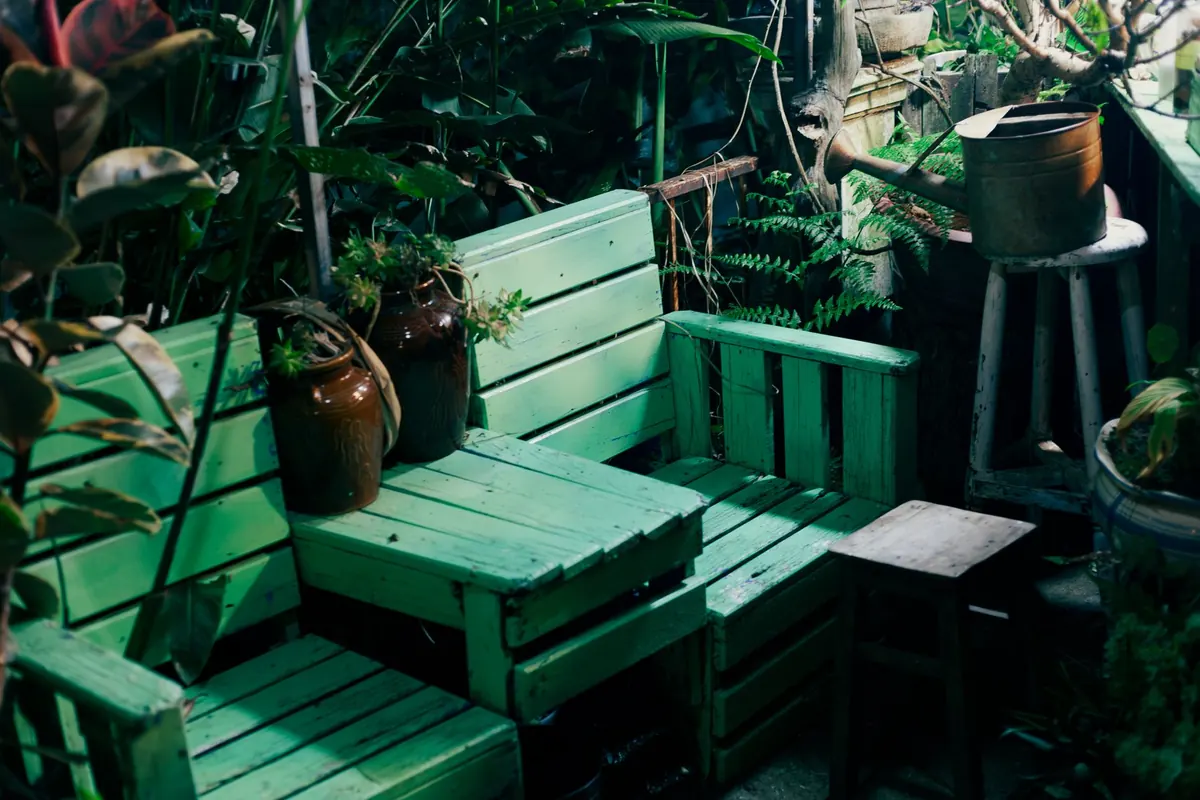
Pots are what tie a bench to the ground it stands on. Two troughs, one at each end of the seat, are often enough. They frame the bench, hold it in place visually, and give you somewhere to grow things that would otherwise be lost in the border.
At the base
Use troughs or wide bowls rather than tall, narrow pots — they are less likely to blow over and they do not block the view when you are sitting down. Fill them with something that spills: trailing ivy, nasturtium, ivy-leaved toadflax, or a low herb such as thyme or creeping rosemary. Aromatic herbs near a seat are a small daily pleasure, and most cope well with a sunny, exposed spot.
On the arms and back
If your bench has flat arms, a small shallow pot can sit on one, planted with a compact sedum or a single houseleek. Fixed planters hanging from the back rail work on some designs, but check the fixings first — screwing into an older bench can split the timber. Free-standing is usually safer than drilled.
Lanterns and Light After Dark
A bench is often the last place you sit in the evening, so a little light transforms it. A storm lantern on the ground beside one leg, a second on the seat or a nearby stump, and you have a pool of warm light without wiring anything in.
Candles need watching. Never leave them burning unattended, keep them well clear of cushions, fabric and dry grasses, and put them out properly before you go in. If that feels like a chore, solar lanterns and rechargeable battery lamps give the same effect with none of the risk. Strings of festoon lights look charming draped through a shrub behind the bench, but use a hook or a tree branch rather than nailing into the bench itself.
Wildlife-Friendly Touches
These are the details that make a bench feel genuinely embedded in the garden rather than placed on top of it. None of them are expensive and most take minutes to set up:
- A shallow dish of water at the base of one leg, topped up every day or two, gives birds and insects somewhere to drink. Keep it shallow and refresh it often.
- A bundle of hollow stems or a small bee hotel tucked behind a pot offers shelter for solitary bees without cluttering the seat area.
- Leave a few seed heads standing nearby through winter — teasels, echinacea, honesty — so birds have something to pick at.
- Train a climber up behind the bench: honeysuckle, jasmine or a rambling rose. It shades the backrest, shelters small birds and scents the air on warm evenings.
- Skip harsh chemicals near the seat. Soapy water deals with most green algae on timber and is far kinder to anything living underneath.
A single log with a few holes drilled into it, half-hidden behind a trough, does the same job as a bought insect home and looks far better.
Restyle It Through the Year
Nature-inspired decor should never look static. In spring, small pots of bulbs at each end and a light throw. In summer, brighter cushions, herbs in flower and the lantern moved into the shade. By autumn, seed heads, a copper-toned cushion and a basket for secateurs. In winter, an evergreen wreath on the backrest, a wool blanket in a lidded box nearby, and berry-bearing stems in the troughs.
Keep a plastic crate in the shed for the off-season items. Rotating a handful of pieces is cheaper and far more effective than buying new decor every year, and it keeps the bench reading as a living part of the garden rather than a display.
Where to Stop
The temptation is to keep adding, and that is usually the moment a carefully styled bench starts to look like a garden centre display. Two cushions, two pots, one light and one wildlife feature is a sound default. Sit on it, and if anything digs into your back or blocks your view of the border, move it.
Finally, treat the bench as you would any other piece of garden joinery. Check the fixings and bolts each spring, tighten anything loose, brush off debris from the joints, and store textiles somewhere dry over winter. A bench that is looked after will silver gracefully and hold whatever you put on it for years to come — which is really the whole point.
Photo: Hồng Thắng Lê / Pexels